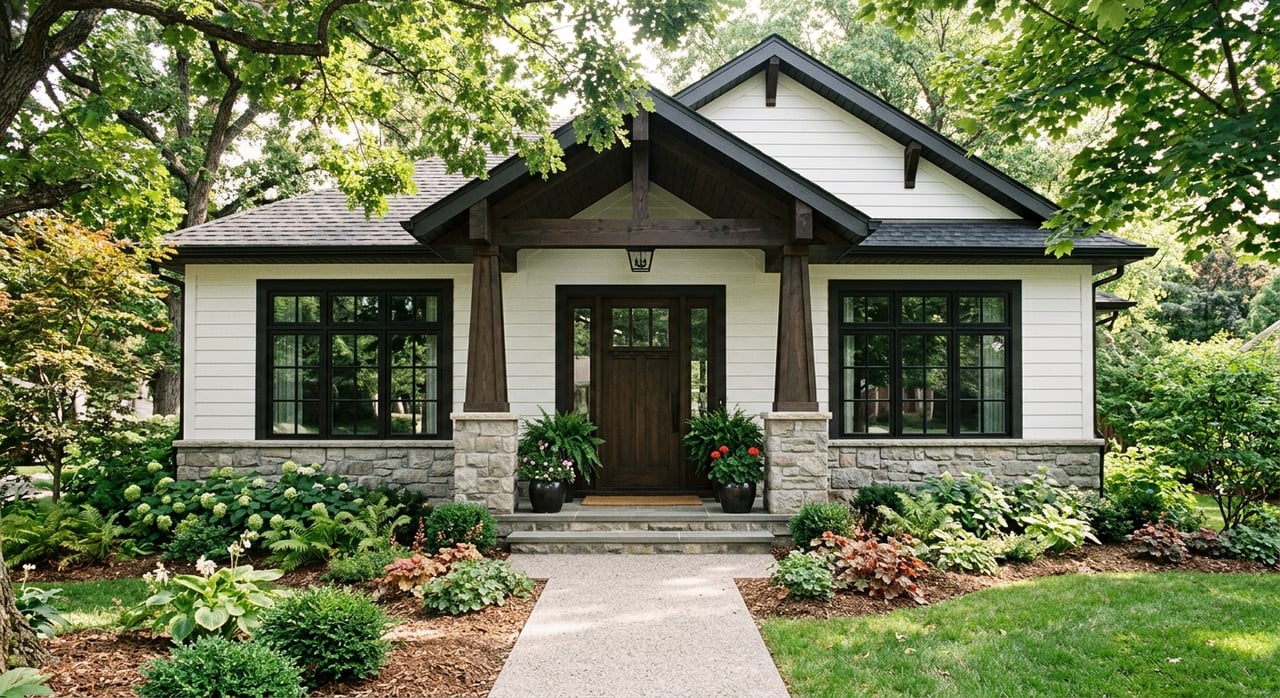
Looking for more space without giving up the character that made you love Eagle in the first place? That is often the big question when you start thinking about a move-up home. If you are weighing East Eagle, this guide will help you understand what the area feels like, what kinds of homes you may find, and who it tends to fit best. Let’s dive in.
What Eagle East Means
Eagle East is commonly described as the east side of Eagle, north of Highway 44 and east of Eagle Road. It is not a formal city boundary, but it is a useful local way to describe this part of town.
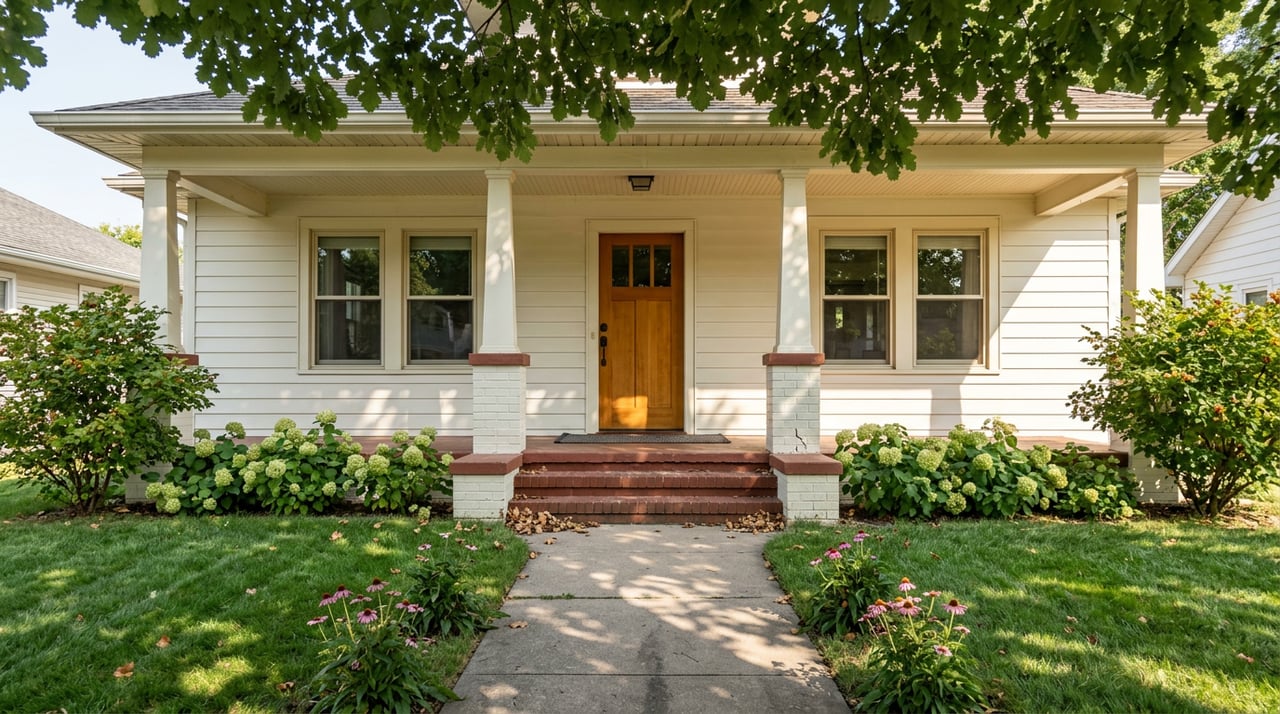
One of the biggest themes you will hear about East Eagle is that it is established. Local neighborhood descriptions point to mature landscaping, older-growth trees, and neighborhoods that were built earlier than some of Eagle’s newer edges.
That matters if you want a home search that feels less like starting from scratch and more like stepping into an area with an existing rhythm. Eagle itself has continued to grow, with the city’s population estimated at 34,658 in July 2025, up 11.2% from April 2020.
Why Move-Up Buyers Look Here
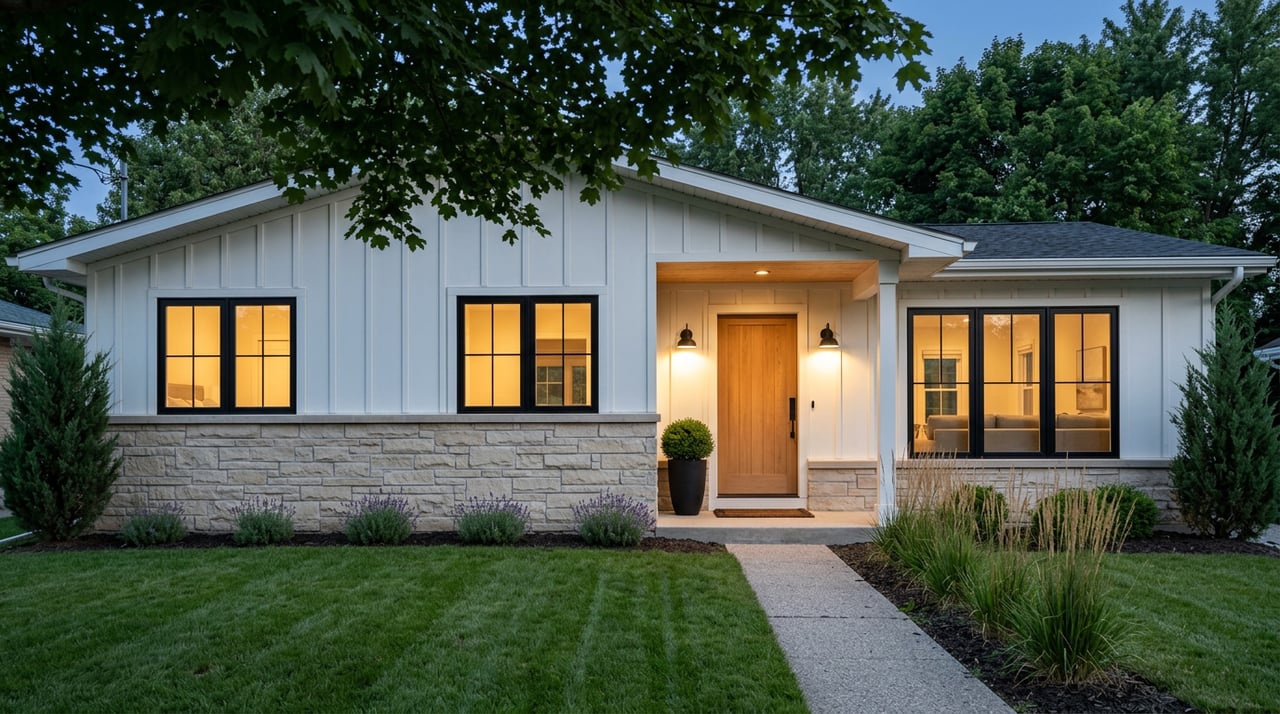
For many move-up buyers, East Eagle hits an appealing middle ground. You may get more lot variety, a more settled neighborhood feel, and good access to everyday amenities without needing brand-new construction.
This part of Eagle can also appeal if your priorities have changed. Maybe you want a larger yard, more established streetscapes, closer access to golf or parks, or a home that feels more connected to the long-term character of the city.
If your move-up plan includes selling one home and buying another, neighborhood clarity becomes especially important. East Eagle is not a one-style area, so it helps to match your budget, layout needs, and lifestyle goals to the right pocket.
Housing Options in Eagle East
East Eagle is not one uniform product type. That is part of the appeal, but it also means you need to look closely at each subdivision and street.
Local examples include Lexington Hills, Brookwood, Eagle Hills, Eagle Hills West, and larger properties north of Beacon Light heading toward the foothills. Some areas lean more toward traditional neighborhood living, while others offer larger lots or a less HOA-driven setup.
Recent listing snapshots from the local neighborhood guide showed homes on lots of about 8,276 square feet and 10,019 square feet. Those examples suggest a range that can include standard suburban lots, somewhat larger lots, and occasional acreage, rather than a single predictable pattern.
Established Neighborhoods
One of East Eagle’s biggest strengths is its established feel. In practical terms, that can mean mature landscaping, tree-lined streets, and neighborhoods that feel lived-in rather than newly created.
For buyers who value visual character, that difference can be meaningful. Instead of young landscaping and a still-developing setting, you may find streets and yards with more shade, more texture, and a stronger sense of place.
HOA and Non-HOA Variety
South of Floating Feather, local neighborhood materials highlight Eagle Hills and Eagle Hills West and note that no-HOA living is a draw for many residents. That can matter if you want fewer community restrictions or simply want to explore more ownership styles.
At the same time, other East Eagle neighborhoods offer shared amenities and a more structured neighborhood setup. This mix gives buyers more flexibility than you might expect from a single area label.
Larger-Lot Possibilities
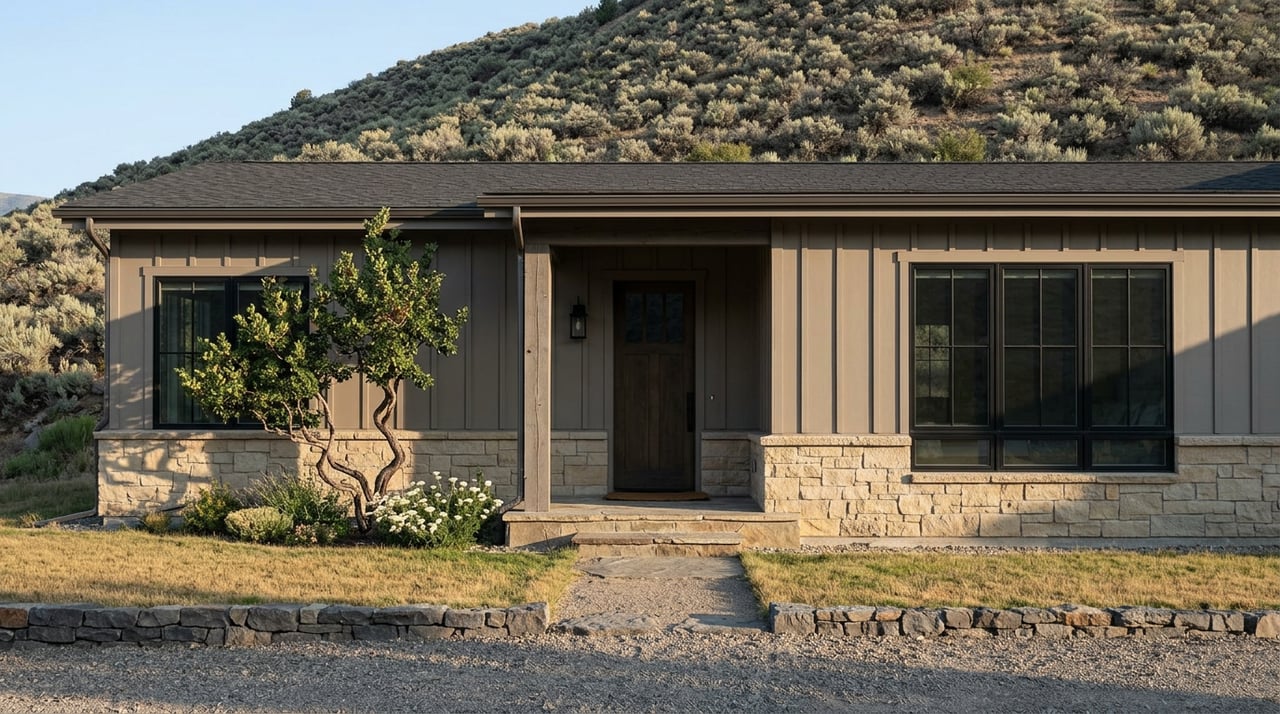
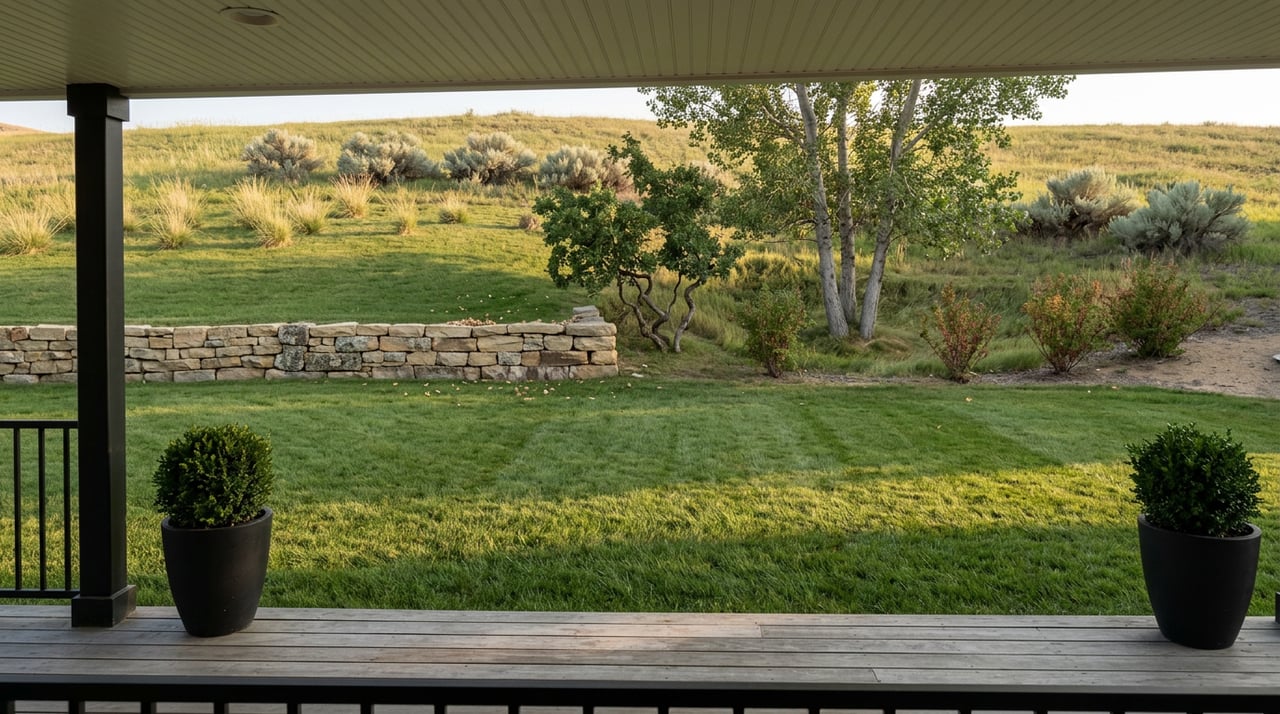
If your move-up goals include extra outdoor space, East Eagle deserves a closer look. The area includes some larger-lot and acreage-oriented options, especially as you move north of Beacon Light toward the foothills.
That does not mean every home comes with wide-open land. It does mean the area can offer more lot-size variety than a newer, more standardized subdivision pattern.
Lifestyle and Everyday Convenience
A move-up home is not just about square footage. It is also about how your daily life works once you live there.
East Eagle benefits from its proximity to downtown Eagle, parks, golf, and broader recreation options. If you want a neighborhood that feels established but still connected to local activity, that balance is a major plus.
Access to Downtown Eagle
Downtown Eagle remains a key part of the city’s identity. City materials describe Heritage Park as a place where residents can park once and walk to downtown shops and restaurants.
The Eagle Saturday Market has operated at Heritage Park since 2002, which speaks to the area’s long-running community use. For buyers in East Eagle, nearby downtown access can add convenience without requiring you to live in the center of town.
Parks and Outdoor Spaces
Arboretum Park adds another downtown amenity with walking paths, native plants, roses, and 37 varieties of trees. That may not define East Eagle alone, but it does shape the everyday lifestyle available nearby.
For broader outdoor access, Pamela Baker Park provides the southernmost access point to the Eagle Greenbelt. The Eagle Road pedestrian and bicycle bridge also connects greenbelt users across the Boise River’s north channel.
Golf and Recreation
Golf is part of the lifestyle draw in this section of Eagle. Eagle Hills Golf Course describes itself as a public championship 18-hole course with mature trees, rolling fairways, and water features.
Even if you are not an avid golfer, that kind of nearby recreational anchor can influence how an area feels. It adds open views, established landscaping, and one more option for leisure close to home.
Neighborhood Examples to Know
Because East Eagle includes different pockets, it helps to understand a few examples. These are not the only neighborhoods in the area, but they show the variety buyers often find.
Lexington Hills
Local neighborhood materials describe Lexington Hills as having about 3 miles of walking paths and water features. That may appeal if you want a neighborhood with built-in places to walk and a more landscaped, amenity-rich setting.
Brookwood
Brookwood is highlighted for amenities that include a community pool, sports field, basketball court, and clubhouse. If your move-up goals include neighborhood features that support an active routine, this is the kind of detail worth comparing.
Eagle Hills and Eagle Hills West
South of Floating Feather, Eagle Hills and Eagle Hills West are known in part for no-HOA living. They also connect to the broader East Eagle identity of established streets, mature trees, and convenient access to daily destinations.
How East Eagle Compares to Newer Areas
If you are deciding between East Eagle and a newer part of town, the difference often comes down to feel. East Eagle tends to offer a more built-in setting with established neighborhood fabric.
City planning and economic development materials indicate that Eagle still has greenfield land available along key corridors. That supports the idea that newer edges of Eagle are more likely to provide recent construction and a more planned-at-the-edge experience.
Neither option is automatically better. If you want new finishes and a brand-new-home environment, newer areas may be more attractive. If you want mature landscaping, neighborhood character, and a sense of long-term place, East Eagle may be the better fit.
How East Eagle Compares to River Areas
Some buyers come to Eagle with the Boise River and Greenbelt at the top of their wish list. In that case, it helps to know that East Eagle benefits from the broader recreation network, but it is not primarily defined by riverfront living.
River-adjacent neighborhoods may be a better match if immediate trail or river proximity is your top priority. East Eagle is usually more about established neighborhoods, easy access to town, golf, and mature surroundings.
That distinction can make your search much clearer. Instead of asking which area is best overall, ask which area best matches how you want to live day to day.
Is Eagle East Right for You?
East Eagle may be a strong fit if you want an established setting, mature landscaping, and a neighborhood that feels connected to Eagle’s longer history. It can also make sense if you want more housing variety, from traditional subdivisions to larger-lot properties.
It may be less compelling if your top goal is brand-new construction or a home defined by direct river access. In those cases, other parts of Eagle may line up more closely with your priorities.
For move-up buyers, the right answer usually comes down to tradeoffs. If you value character, location, and variety over a brand-new-home feel, East Eagle deserves a serious look.
When you are ready to compare neighborhoods, lot patterns, and move-up options in Eagle, the team at Heather Ferguson Realty Group can help you sort through the details with clear local guidance.
FAQs
What is Eagle East in Eagle, Idaho?
- Eagle East is commonly described as the east side of Eagle, north of Highway 44 and east of Eagle Road, though that description is best treated as a local character guide rather than a formal city boundary.
What types of homes are found in Eagle East?
- Eagle East includes a mix of established subdivision homes, larger-lot properties, and some acreage-oriented options, with examples from neighborhoods like Lexington Hills, Brookwood, Eagle Hills, and Eagle Hills West.
Is Eagle East a good fit for move-up buyers?
- Eagle East can be a strong fit for move-up buyers who want mature landscaping, established neighborhoods, lot-size variety, and convenient access to downtown Eagle, parks, and golf.
Does Eagle East have HOA and non-HOA neighborhoods?
- Yes, East Eagle includes both HOA-style neighborhoods with shared amenities and areas, such as Eagle Hills and Eagle Hills West, that are known for no-HOA living.
Is Eagle East close to downtown Eagle?
- Yes, East Eagle benefits from proximity to downtown Eagle, including nearby access to places like Heritage Park, the Eagle Saturday Market, and other downtown destinations.
Are schools in Eagle East assigned by neighborhood?
- School attendance should be verified by exact address because assignments can vary by subdivision within Eagle.