Thinking about selling your Eagle home? In a market where price points are high and buyers are comparing every detail, the homes that stand out are usually the ones that feel polished from day one. If you want to protect your negotiating position and make a strong first impression, the right prep work can make a real difference. Here’s how to get your Eagle home ready for a stronger, smarter launch.
Why prep matters in Eagle
Eagle’s market calls for more than simply putting a sign in the yard. Recent 2026 market snapshots show a high-price environment with homes taking roughly 44 to 52 days to sell, and some properties selling below asking price on average.
That means presentation and pricing discipline matter. In a market like this, small issues like clutter, deferred maintenance, or weak listing photos can affect how buyers respond and how much leverage you keep during negotiations.
Start with condition first
Nearly 75% of agents say the first thing buyers notice is a home’s overall condition. Cleanliness and layout also shape that first impression, which is why prep should begin with the basics before you think about photos or showings.
Your goal is simple: help buyers walk in and feel that the home has been well cared for. That does not mean a full remodel. It means making the home feel clean, functional, and ready.
Focus on cleaning and decluttering
A deep clean is one of the most important steps you can take before listing. Buyers notice dust, smudges, worn surfaces, and odors quickly, especially in a higher-price market.
Decluttering matters just as much. A cleaner, more open look helps rooms feel larger and helps buyers focus on the home itself instead of your belongings.
Consider prioritizing these tasks:
- Deep clean floors, baseboards, windows, kitchens, and baths
- Remove excess items from counters, shelves, and tabletops
- Pack away personal photos and highly specific decor
- Organize closets so they look about half full
- Clear garage and storage areas enough to show usable space
Handle visible repairs
Cosmetic updates help, but buyers also want homes that feel move-in ready. According to recent seller guidance, buyers especially value homes without major repair issues and with updated core systems like electrical, plumbing, or HVAC.
Before listing, it helps to address the defects buyers are most likely to notice or question. If something looks neglected, it can invite lower offers or repair requests later.
A practical repair checklist includes:
- Fix dripping faucets and running toilets
- Repair damaged trim, drywall, or flooring
- Replace burned-out bulbs and malfunctioning fixtures
- Service HVAC if needed
- Address obvious plumbing or electrical concerns
- Touch up chipped paint and worn caulking
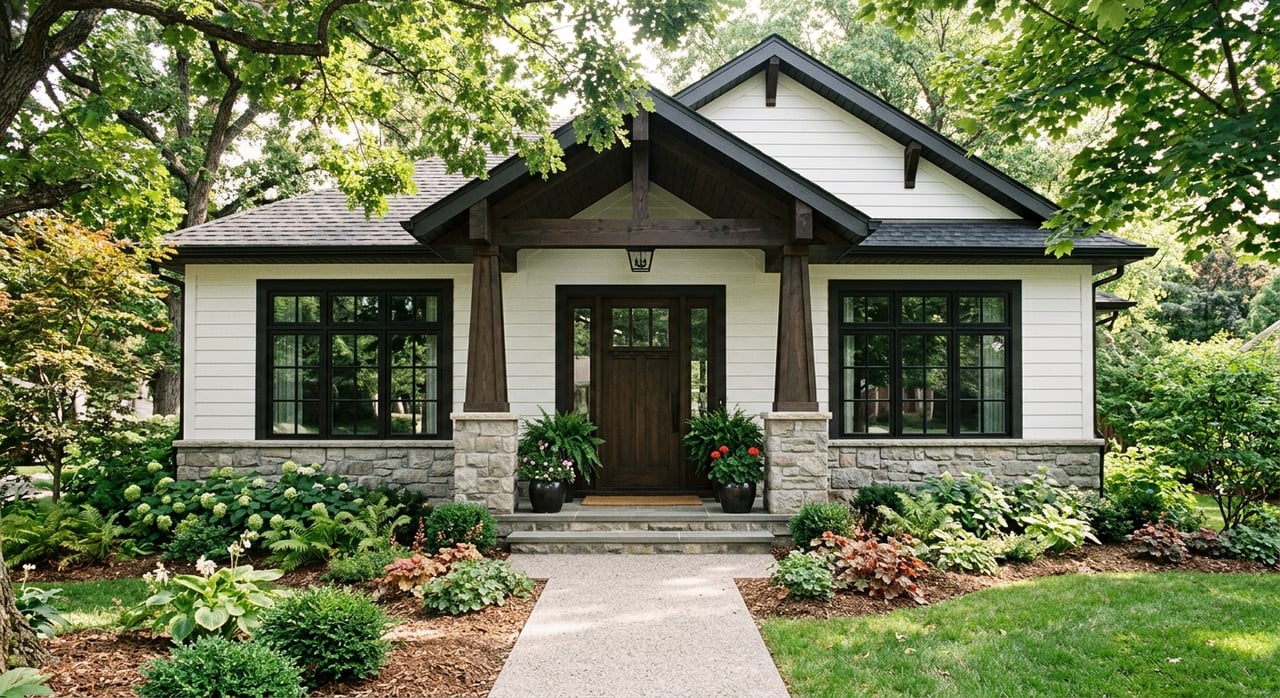
Improve curb appeal before buyers walk in
Your exterior sets the tone before a buyer opens the front door. Since overall condition is one of the first things people notice, curb appeal deserves real attention.
You do not need an elaborate landscape redesign. In most cases, a neat, maintained exterior is what helps buyers feel confident from the start.
Simple exterior updates that help
Focus on clean, tidy, and welcoming. That usually means spending time on maintenance and presentation rather than making bold design choices.
Start with:
- Fresh mowing and trimmed edges
- Pruned shrubs and cleaned-up planting beds
- Swept walkways and porches
- Clean front door and entry glass
- A few restrained planters or seasonal accents
- Touch-up paint where wear is visible
If buyers arrive and see an exterior that looks cared for, they are more likely to expect the same inside.
Use neutral staging to help buyers picture the home
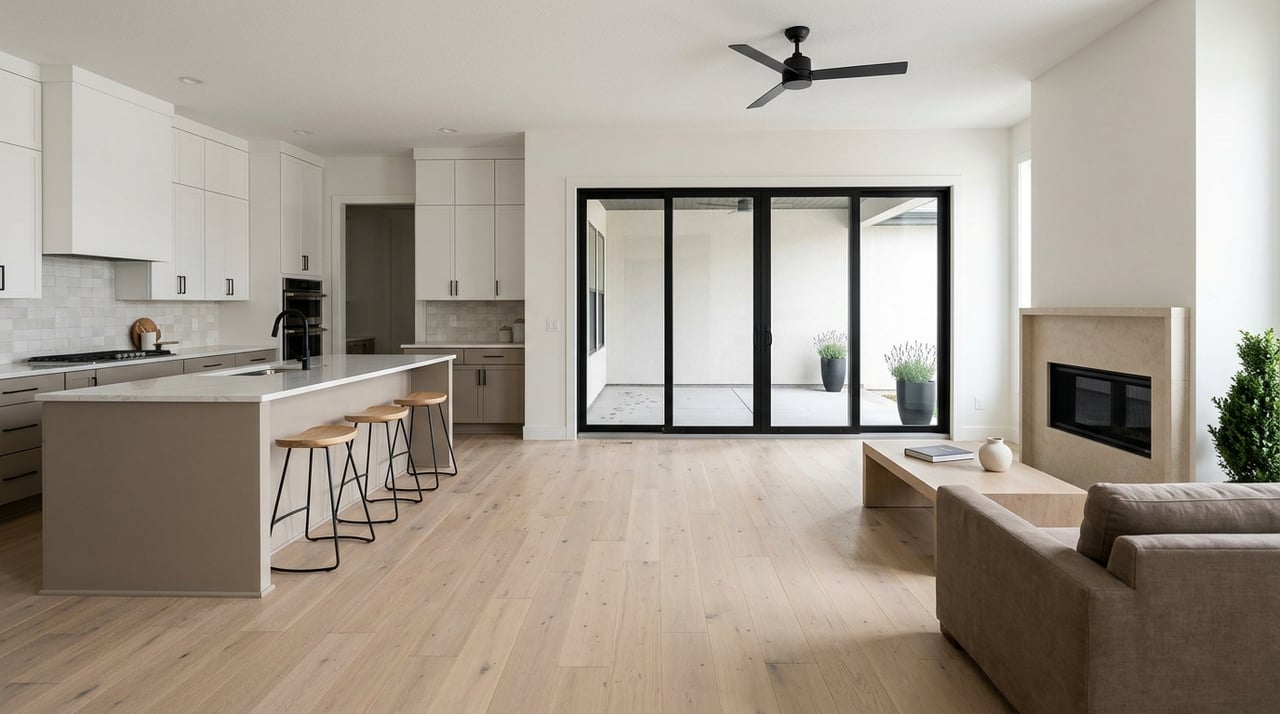
Staging is not about making your home look fake or overdesigned. It is about helping buyers understand the space and picture how it could function for them.
That matters because 83% of buyers’ agents say staging makes it easier for buyers to visualize a home as their future place to live. The rooms most often staged are the living room, primary bedroom, dining room, and kitchen.
What staging should do
Good staging highlights layout, light, and scale. It also reduces distractions so buyers notice the home’s best features.
That often means:
- Using neutral paint tones where needed
- Removing oversized or extra furniture
- Creating clear walking paths in each room
- Keeping decor simple and restrained
- Styling main living spaces, the kitchen, and the primary bedroom first
Staging does not have to be all or nothing. With a reported median staging cost of $1,500, it can be treated as a budgeted pre-listing investment based on your home’s needs and price point.
Plan your media before launch day
Most buyers begin their search online, and listing media carries a lot of weight. About 81% of buyers say listing photos are the most useful feature in their online home search.
That means your online debut needs to be polished. In Eagle, where buyers are often comparing several strong options, your photos and listing presentation can shape whether someone schedules a showing or scrolls past.
Prioritize photography and visual flow
The lead photo matters. So does the order of the photos, the clarity of the details, and whether buyers can understand the home’s layout and setting before they visit.
Strong listing media should help buyers quickly see:
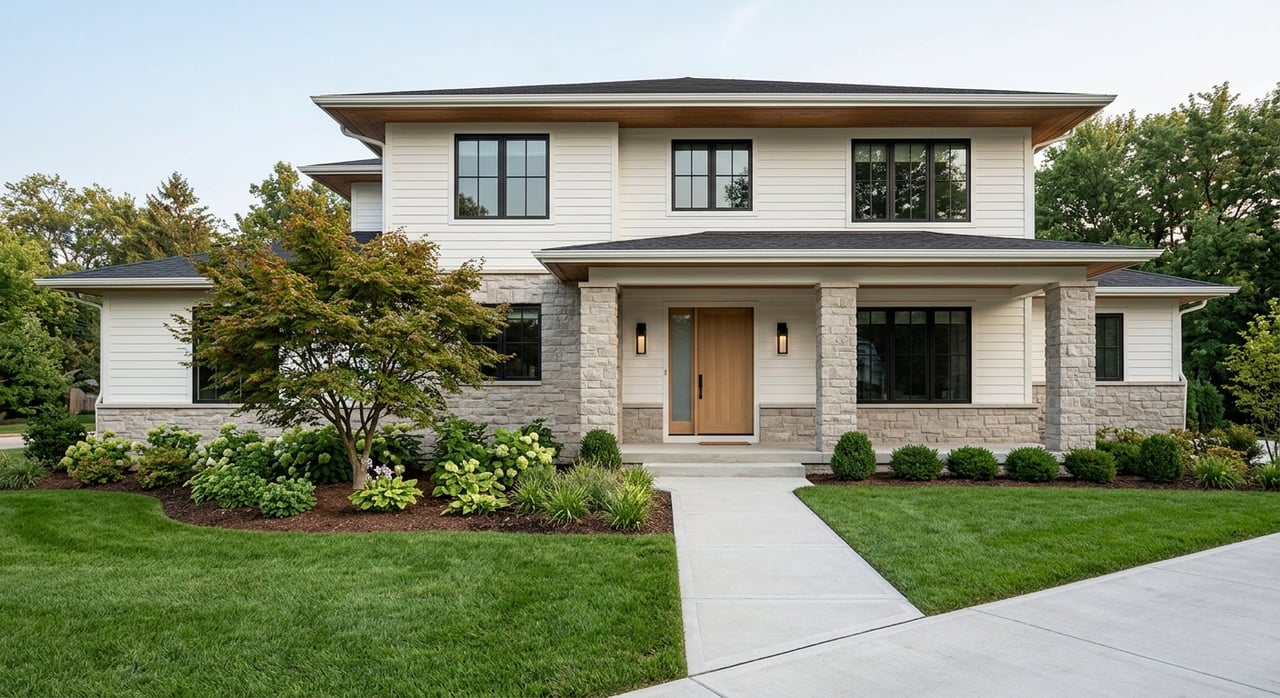
- The home’s best exterior angle
- Bright, clean main living spaces
- Kitchen and primary suite details
- Natural light and flow from room to room
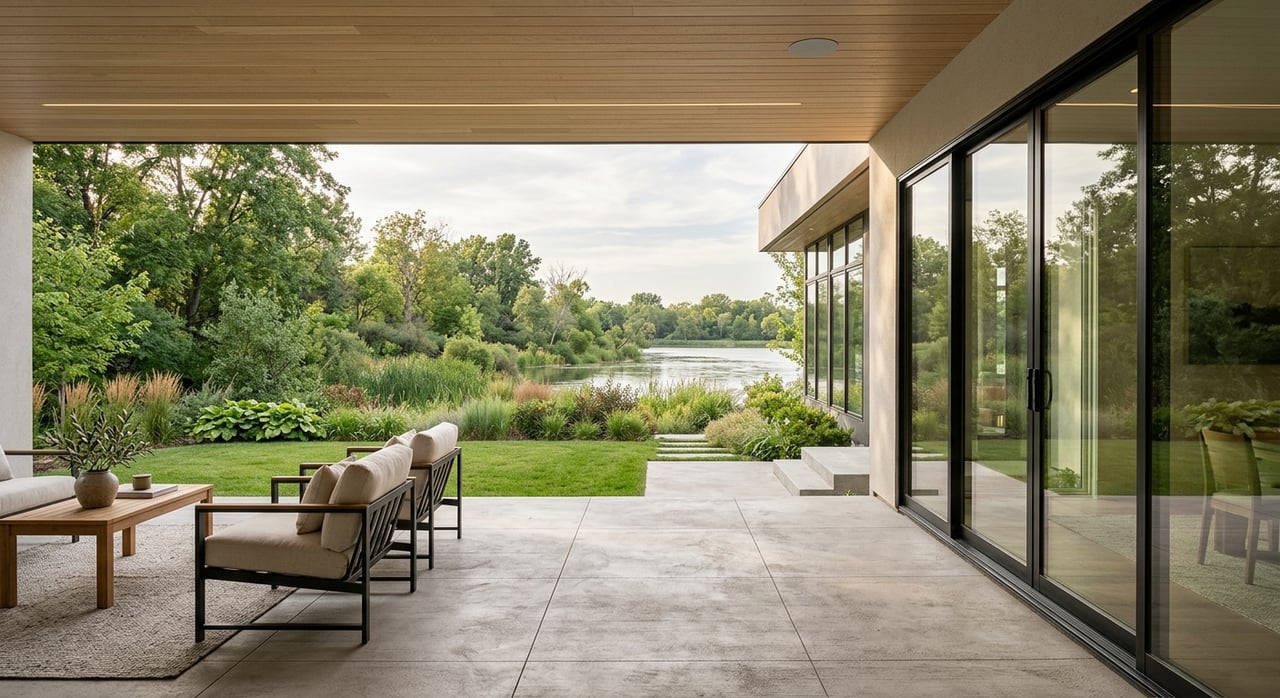
- Outdoor living areas and lot features
- Layout cues that make the home easy to understand
Recent buyer trend research also shows strong value in detailed property information, floor plans, virtual tours, and neighborhood information. For sellers, that means the launch should feel complete, not rushed.
Do not go live too early
The first few days on the market carry outsized importance. Early views, saves, and shares can influence whether a listing gains traction, so going live before the home is fully ready can work against you.
If buyers see a home before the cleaning, repairs, staging, photos, and pricing are dialed in, you may lose your best momentum window. Homes that linger can draw skepticism and often face pressure for price cuts.
Launch only when the home is ready
A smart launch usually means preparing everything in advance so the home hits the market at full strength. That includes presentation, media, pricing, and seller communication.
Before launch, make sure you have:
- Completed cleaning and decluttering
- Finished visible repairs
- Finalized staging or styling
- Professional photography done
- Any video, drone media, or 3D tour ready
- A comps-based price supported by the current market
Price with discipline
Even a beautifully prepared home can struggle if the price misses the market. Eagle’s recent data suggest sellers should not assume every home will spark a bidding war, even though some properties still receive multiple offers.
That is why pricing should be tied to comparable homes and current local conditions from day one. The goal is not just to get attention. It is to attract the right buyers without giving up leverage later.
Why pricing and prep work together
Preparation helps justify pricing, but it does not replace it. Buyers will still compare your home to other active and recent sales, especially in a market where many listings sit for several weeks.
When pricing and presentation work together, you give yourself a better chance to stand out early and stay in a stronger negotiating position.
Know a few Idaho seller basics
As you prepare to list, it also helps to understand a couple of Idaho transaction basics. Idaho real estate license law requires the agency disclosure brochure to be provided at the first substantial business contact, with a signed and dated record of receipt.
If your home was built before 1978, federal lead-based paint disclosure rules generally apply before a buyer signs a contract. These are simple but important details to handle correctly as part of the listing process.
Why a full-service prep plan helps
Selling in Eagle often rewards the sellers who prepare well, not just the sellers who list first. In a higher-price market, details like staging, photography, showings coordination, and consistent communication can support a smoother launch and a stronger result.
That is why many sellers benefit from a plan that treats preparation as part of the strategy, not an afterthought. When your home is clean, neutral, repaired, well-priced, and professionally presented, you give buyers more reasons to act with confidence.
If you’re getting ready to sell in Eagle, Heather Ferguson Realty Group offers staging support, professional photography, drone media, 3D tours, showings coordination, weekly seller updates, and neighborhood-focused marketing to help your home launch at its best.
FAQs
How should you prepare an Eagle home before listing it for sale?
- Start with deep cleaning, decluttering, visible repairs, and neutral staging so buyers can focus on the home’s condition, layout, and livability.
Why does staging matter when selling a home in Eagle?
- Staging helps buyers picture themselves in the home, and buyers’ agents report that it makes that visualization easier, especially in key rooms like the living room, kitchen, dining room, and primary bedroom.
What repairs should you make before selling a home in Eagle?
- Focus first on visible defects, deferred maintenance, and any obvious plumbing, electrical, or HVAC issues that could make the home feel less move-in ready.
Why are listing photos so important for Eagle home sellers?
- Buyers often begin online, and listing photos are rated as one of the most useful parts of a home search, so strong images can directly affect interest and showing activity.
When should you list your Eagle home after preparing it?
- List only when the home is fully ready, including cleaning, repairs, staging, media, and pricing, because the first few days on the market are especially important for visibility and momentum.
What Idaho paperwork should sellers know about before listing a home?
- Idaho sellers should expect agency disclosure early in the process, and homes built before 1978 generally require lead-based paint disclosure before a buyer signs a contract.